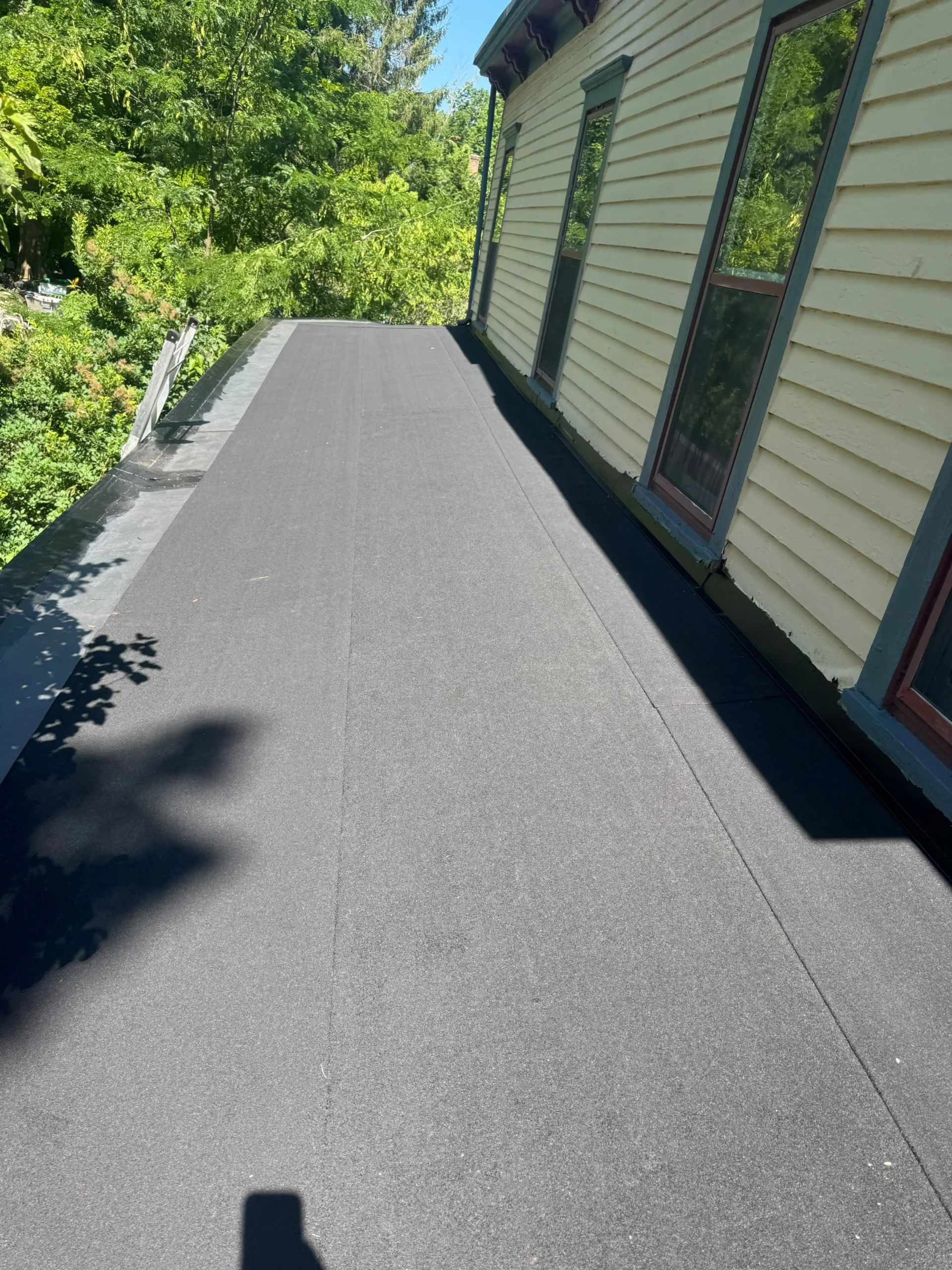
Permits are the part of a roofing project nobody thinks about. They come up right when you want the work to start. The short version: in New Jersey, construction permitting runs through your municipality. The local construction office is the one that decides what applies to your project. A roofing permit in New Jersey isn't something a contractor can wave off because the job seems small. It isn't something you should have to chase down yourself after the fact. Requirements vary by town and they change over time. That's why this article won't tell you what your specific project needs. What it will do is explain how the system generally works. It covers what usually triggers a permit and why permitted work matters beyond the paperwork. It also covers what to ask your contractor before the work starts. None of it is complicated once you know who to call, and that call takes a few minutes.
Permitting in New Jersey Is Local
New Jersey handles construction through a statewide code that each municipality enforces through its own construction office. That means the rules come from one place but the paperwork, the fees, and the inspections happen in your town. Sparta, Newton, Paramus, and every other municipality has a building department that handles this. Two neighboring towns can process the same job differently, on timing and on what the application has to show. That's normal. It also means the answer is one phone call away, to your local construction office. That call is worth making before you schedule anything. Ask what the town needs for a roof, what the fee looks like, and how inspections get handled there.
What Usually Requires a Permit
Replacing a roof covering is generally the kind of work that gets permitted, because it's a structural building component. Small repairs are more often treated as maintenance. Where that line sits is a local determination, and not one to guess at. Anything that touches the structure underneath, like replacing decking or framing, tends to raise the bar rather than lower it. Siding replacement, window work, and additions have their own requirements. If a project involves several trades at once, there can be more than one permit involved. The pattern to remember is simple. The more the work changes the building rather than maintaining it, the more likely a permit applies.
Why It Matters Beyond the Rules
Permitted work gets inspected, and an inspection is an independent set of eyes on what went into your house. That has value on its own. It also matters later. When a property changes hands, unpermitted work on a major building component becomes a problem at the wrong moment. Sorting it out after the fact is harder than doing it in order. There's a simpler reason too. A contractor who handles permitting as a normal part of doing business is a contractor operating in the open. One who suggests skipping it to save time is telling you something about how they work.
What to Ask Before Work Starts
Ask who is pulling the permit and confirm it in writing. Ask whether the estimate includes permit fees or whether those are separate. Both are common, and you want to know which one you're looking at. Ask what inspections the town requires and roughly when they happen. And ask the contractor for their registration and insurance documentation, which you're entitled to see. Not sure where to start? Your municipal construction office will tell you what your project needs, in Sussex County or anywhere else in New Jersey. That one call settles the question before anyone climbs a ladder. It is worth making early rather than the week you want the work done.